


From The Loft to The Sphere: A History of the US Club Scene
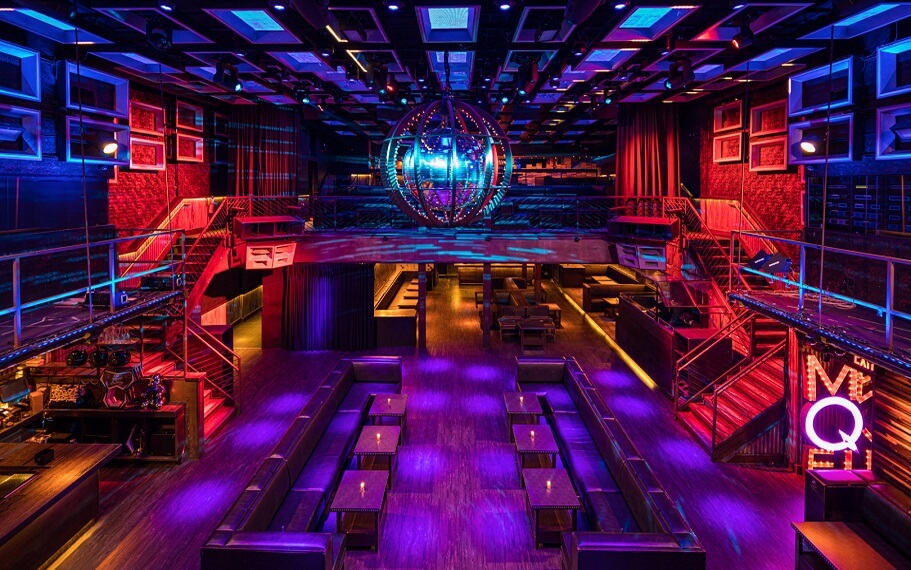
While the UK gave us the rave, the United States gave us the blueprint. The history of American clubbing is a story of marginalised communities finding sanctuary, of industrial cities dreaming of the future, and of a multi-billion-dollar "EDM" explosion that conquered the globe.
As we move through 2026, the US scene is currently pivoting back to its roots: intimate spaces, high-fidelity sound, and "discovery" culture. At djsets.co.uk, we’re looking at the timeline of the American dancefloor.
1. The 1970s: The Underground Sanctuary
Modern clubbing was born in the early 70s in New York City, far away from the velvet ropes of the mainstream.
-
The Loft (1970): David Mancuso’s "The Loft" wasn't a commercial club; it was a private party in his home. It established the "audiophile" standard, emphasising exceptional sound and a "members-only" family vibe.
-
The Paradise Garage (1977–1987): Larry Levan’s residency here turned the DJ into a spiritual leader. The "Garage" sound (soulful, gospel-infused house) remains the DNA of house music.
-
Studio 54 (1977): The flip side of the coin. It brought celebrity, decadence, and the "door policy" to the world, making clubbing a global media spectacle.
2. The 1980s: Detroit Techno & Chicago House
As disco "died" in the charts, two Midwestern cities were secretly building the future.
-
Chicago: At The Warehouse, Frankie Knuckles was blending disco with European electronic pop, creating House.
-
Detroit: The "Belleville Three" (Atkins, May, and Saunderson) were using cheap Japanese synthesisers to mirror the industrial rhythm of the Motor City, birthing Techno.
3. The 1990s & 2000s: The Rave Era & The Vegas Shift
In the 90s, the "Map Point" system saw raves move into the California desert and NYC warehouses (like Twilo and The Tunnel).
-
The Twilo Years: NYC became the global centre for "Progressive" sounds, with Sasha & Digweed’s residency becoming the stuff of legend.
-
The Las Vegas Pivot: By the late 2000s, Las Vegas realised that DJs were the new rock stars. Venues like XS, Hakkasan, and Marquee turned clubbing into a high-stakes, big-budget spectacle.
4. The US Scene in 2026: The "Immersive Playground"
Fast forward to today, March 2026. The "mainstage" fatigue of the 2010s has given way to a focus on Sensory Technology and Mindful Raving.
| Trend | The 2026 Reality |
| The Sphere (Vegas) | After Anyma’s historic residency, "The Sphere" has become the world’s premier destination for visual-audio techno. |
| The "Listening Bar" Boom | From Brooklyn to LA, high-fidelity "Audiophile Bars" (inspired by Mancuso's Loft) are replacing loud, cheap-sound dives. |
| Biometric Entry | By 2026, many top US clubs like Echostage and Brooklyn Mirage will have implemented facial/palm recognition for faster, safer entry. |
| Eco-Raving | 70% of major US venues have now integrated waste-reduction strategies, with many "solar-powered" festivals launching this summer. |
The "2016 Energy" Revival
A major 2026 trend in the US is the "Return to Intention." After years of "Instagram-first" clubbing, 2026 crowds are choosing quality over quantity. Pop-up parties in "secret" locations are back in fashion, resisting the oversaturation of the mega-clubs.
The Full Circle
The US scene has come full circle. We’ve gone from David Mancuso’s private loft in 1970 to the high-tech, private-feeling "Zones" of 2026. Whether it’s a techno-bunker in Detroit or a 3D-mapped stage in Miami, the American dancefloor remains a place to escape, connect, and lose yourself in the beat.
