


London’s Electric Soul: A History of Clubbing from 1960 to 2026
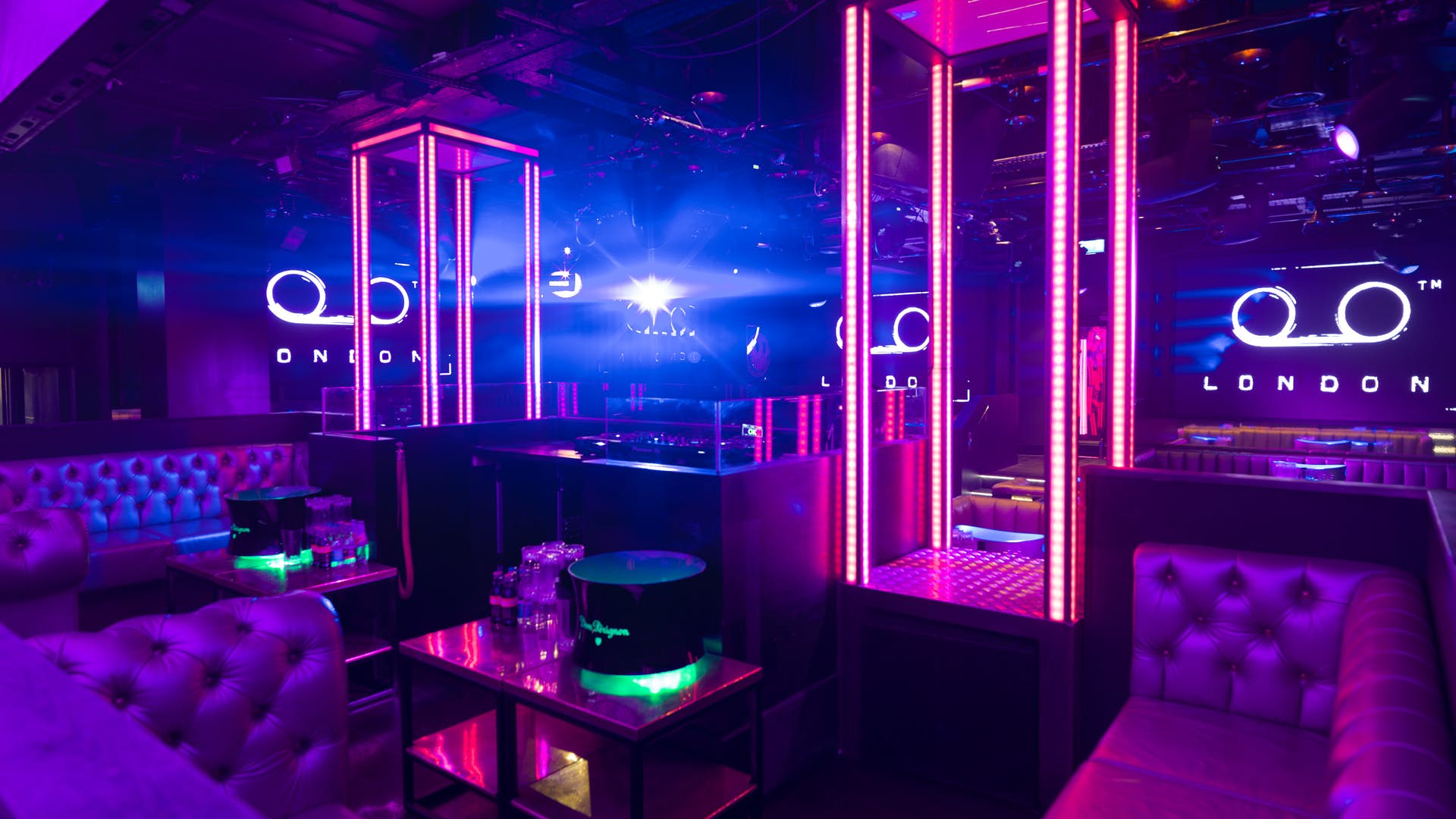
London isn't just a city; it’s a living, breathing archive of dance culture. From the smoke-filled jazz basements of Soho to the cavernous "rave cathedrals" of the 2020s, the capital has always been the heartbeat of the global nightlife scene.
As we move through 2026, the landscape is shifting once again. At djsets.co.uk, we’re taking a look back at the eras that defined London and where the party is heading next.
The 1960s: The Swinging Soho Roots
Before the strobe light, there was the "Swinging Sixties."
-
The Hub: Soho was the epicentre. Iconic venues like The Flamingo and Ronnie Scott’s (opened in 1959) were the birthplaces of the "All-Nighter."
-
The Sound: A melting pot of jazz, R&B, and soul. It was here that the Mod subculture was born, fueled by imported American records and a newfound youth freedom.
The 1970s & 80s: Punk, Glitz, and the Underground
This era was a tale of two cities: the glamorous elite and the gritty rebels.
-
The Blitz Kids: In 1979, The Blitz in Covent Garden became a sanctuary for the New Romantics. Figures like Boy George and Steve Strange turned clubbing into high art.
-
The Birth of the Superclub: Heaven opened in 1979 under the arches of Charing Cross, becoming the world's first truly modern gay superclub. Meanwhile, venues like The Fridge in Brixton brought punk energy to the dancefloor.
The 1990s: The Golden Age of the Rave
The 90s changed everything. Clubbing moved from "dancing to songs" to "getting lost in the beat."
-
Ministry of Sound (1991): Inspired by New York’s Paradise Garage, Ministry opened in an old bus garage in Elephant & Castle, setting a global standard for sound quality.
-
Fabric (1999): The Farringdon legend introduced the "bodysonic" dancefloor and became the ultimate destination for tech-house and drum & bass.
The 2010s: The "Industrial" Shift
As central London rents skyrocketed, the scene moved east and south.
-
Printworks (2017–2023): This former printing press in Canada Water redefined the "day-party." Its long, narrow "Press Halls" became the most photographed dancefloor in the world before its bittersweet closure.
-
Intimate Basements: While superclubs thrived, spots like Plastic People and Corsica Studios kept the underground flame alive with a "music-first" philosophy.
London Clubbing in 2026: The New Landscape
We are currently in an era of "Hyper-Evolution." While the UK has lost roughly 30% of its nightclubs since 2020, 2026 is proving that London’s nightlife is resilient, not dying—it’s just changing shape.
